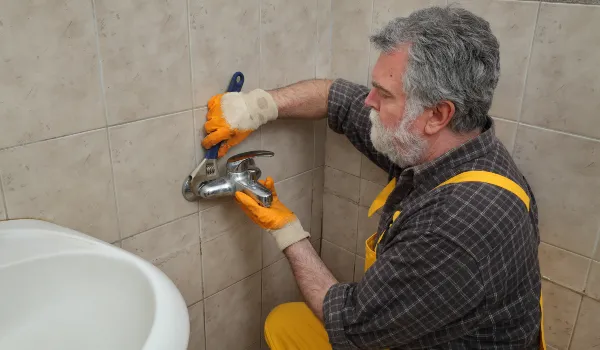
Many homeowners assume a slow drain is just a clog at one fixture, and that is a sensible first thought. But slow drains in several rooms, a toilet that runs or gurgles, damp patches near a slab, and discoloured water can point to a larger drainage or plumbing problem. The Plano Plumber can trace where the restriction begins instead of treating every backup as a simple sink blockage. Learn more about our The Plano Plumber in Plano.
A sewer line problem usually affects the drains that feed the main line: toilets, tubs, floor drains, and washing-machine standpipes may back up together. Low pressure, banging pipes, or no hot water usually involve supply pipes, valves, or a water heater rather than the sewer. What matters is the pattern, the pipe route, and what a camera finds—such as roots, a cracked section, offset joints, or grease buildup.
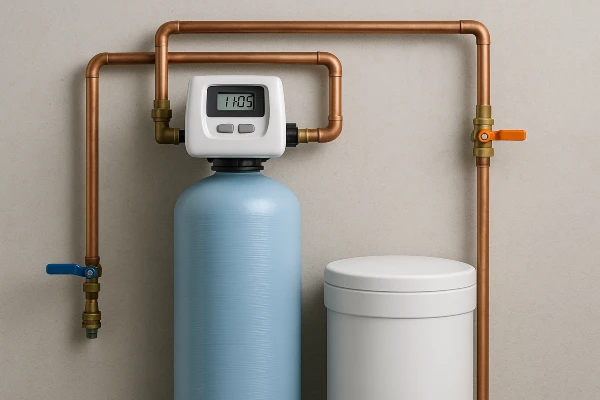
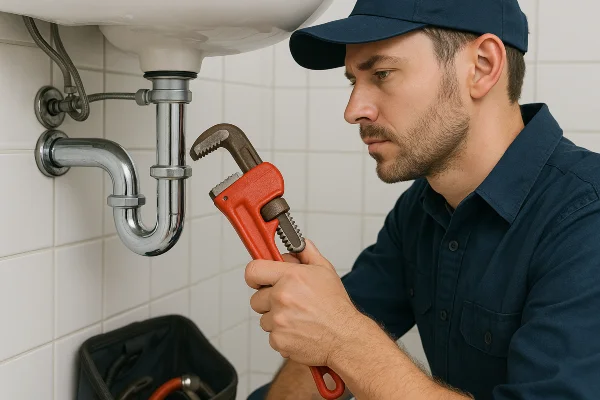
Diagnosis and a straightforward cleaning can often take a few hours, while a repair may take one to several days depending on the pipe depth, damaged length, permits, soil conditions, and access through a driveway or slab. During Hydro Jetting, you may hear the hose moving through the drain and see technicians testing fixtures. Water use may be limited temporarily so sewage does not return through a lower drain.
The quiet stretches are not necessarily delays. A camera may be run again after cleaning to confirm the pipe wall is clear, markings may be checked against utility lines, and crews may wait for an inspection before covering an excavation. Replacing a short exposed section of PVC is very different from reaching cast iron beneath concrete. Your contractor should explain which stage is next and whether toilets, showers, or laundry can be used.
Ask what evidence supports the diagnosis and whether a Sewer Camera Inspection will show the location, material, and condition of the pipe. A useful explanation distinguishes root intrusion from a collapsed line, and a recurring paper clog from a belly that holds water. Ask where the cleanout is, whether the line connects to the city sewer, and how the crew will protect landscaping, flooring, and nearby water lines.
Get a written estimate that identifies the proposed work: cleaning, spot repair, full replacement, excavation, pipe material, restoration, permit responsibility, and disposal of removed cast iron or clay tile. It should also state what could change the scope, such as hidden branches, unstable soil, or a damaged connection at the property line. Before work begins, a good contractor explains access needs, shutdown periods, testing, and what the final camera footage should show.
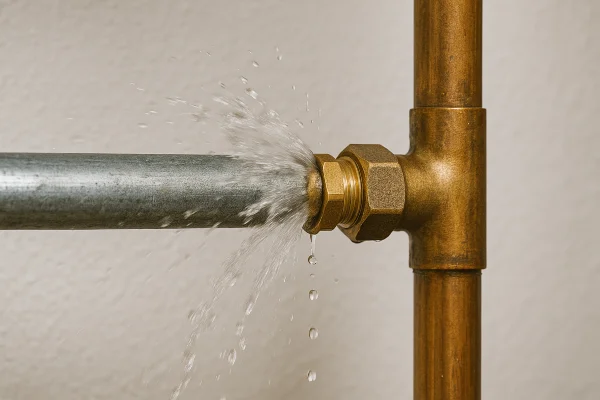
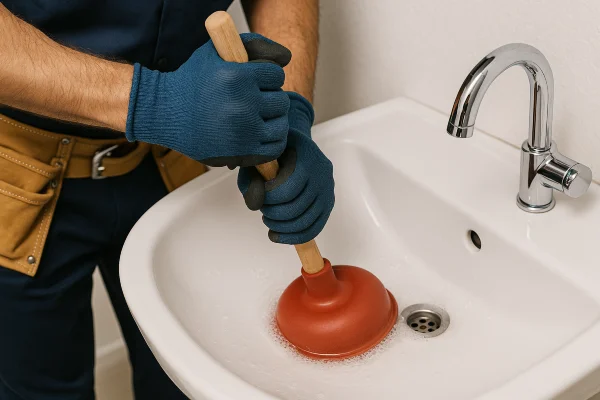
Write down which fixtures are slow, when the backup first appeared, and whether the toilet bubbles after a shower, dishwasher cycle, or washing-machine drain. Gather prior repair invoices, sewer maps, inspection reports, and any photos of damp patches or standing water. Clear cabinets around cleanouts, move vehicles from the driveway if the line runs beneath it, and make sure the technician can reach the electrical panel, water shutoff, and affected bathrooms.
Avoid pouring chemical drain cleaner, bleach mixtures, or repeated bottles of enzyme treatment into a backed-up line. Those liquids can sit in the pipe, create a hazard for the technician, and do little against roots, broken clay, or a collapsed joint. Do not keep flushing a toilet that rises toward the rim; use another bathroom if possible. Keeping laundry, long showers, and dishwasher cycles off until the line is checked can prevent a larger sewage spill.
THE PLANO PLUMBER
5360 Legacy Drive, Plano, TX 75024
(469) 838-3498
Hours of Operation
Open 24 Hours