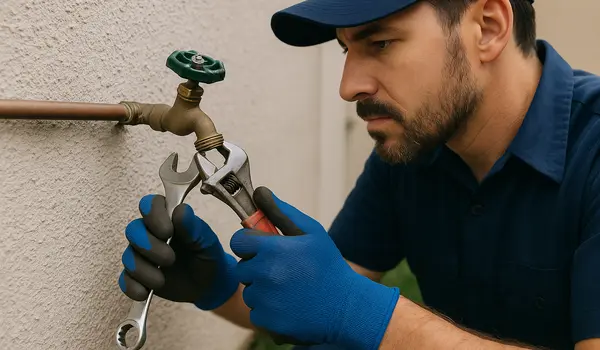
Many homeowners assume a backflow test is only needed after water turns brown or pressure drops. That is a sensible conclusion, because those symptoms feel urgent and visible, but the backflow assembly can fail quietly. The Plano Plumber sees low pressure, discoloured water, and banging pipes that may point elsewhere in the plumbing system. Backflow testing checks whether the valve prevents irrigation water or other contaminants from reversing into the drinking-water line.
Backflow testing is a measured check of the check valves and relief valve, usually using a pressure gauge attached to test cocks. It is not a cure-all diagnostic for every fixture. A running toilet can lower household pressure, while a damp patch can signal a supply leak; both deserve inspection. The useful result is a documented pass, repair recommendation, or replacement decision based on the assembly’s performance.
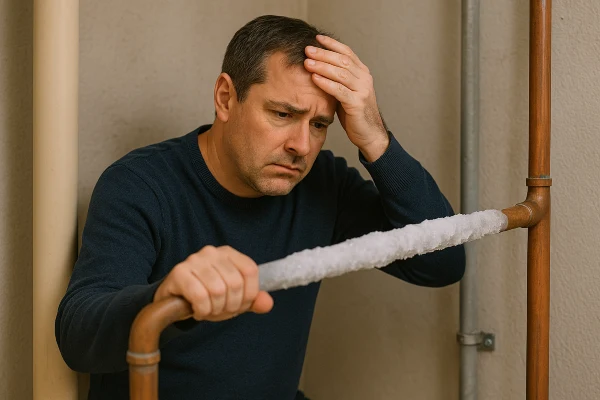

Before you contact a contractor, locate the backflow assembly and ask whether they test that device type, repair it if it fails, and provide the completed report your water provider may require. Ask who submits the form and who is responsible for any follow-up retest. A homeowner in Plano should also ask how the technician will identify the irrigation, pool-fill, or fire-sprinkler connection served by the assembly. Contact Us for a free, no-obligation quote.
A written estimate should separate the test, diagnosis, replacement parts, labor, and any utility or permit paperwork rather than folding everything into one vague charge. Before opening a test cock or shutting an isolation valve, a good contractor explains the expected water interruption, access needed, and what a failed check valve means. They should also explain whether a repair is practical or whether corrosion, cracked brass, or unavailable parts make replacement wiser.
Set aside the last test report, any notice from your water provider, and photographs of the device if the assembly sits behind a gate or in a valve box. Note the address, device location, recent pressure changes, and dates of sprinkler work. Mention any recent Water Heater Installation, irrigation repair, or plumbing remodel, since a new connection or altered piping can affect isolation and the test setup.
Clear leaves, mulch, storage bins, and dog waste from around the assembly; a technician needs room for gauge hoses, shutoff valves, and test cocks. Unlock the side gate and arrange for pets to stay indoors during the visit. Do not turn screws on the device, force a stuck valve, or tape over a leak beforehand. Those actions can damage seals, hide the failure, and add repair time.
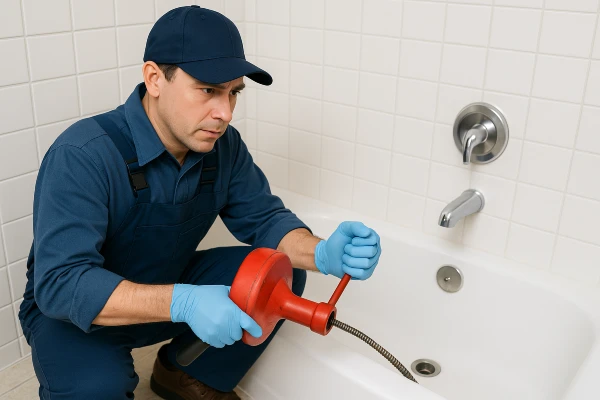
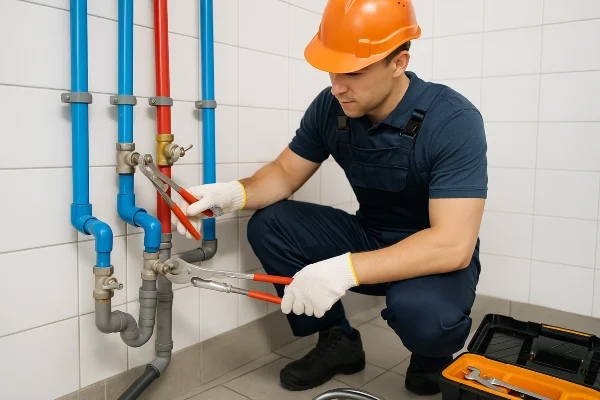
After a passing test, water pressure at taps should feel much as it did before, and the assembly should remain dry around its fittings. A brief interruption while valves are operated is normal; air may make a faucet sputter for a minute or two. Keep the report with your home records, especially if the water provider asks for it. Over the next several days, check the valve box and adjacent soil after irrigation runs.
Get back in touch if low pressure persists, water is discoloured beyond a short clearing flush, or banging pipes begin after the visit. Slow drains, running toilets, damp patches, and no hot water usually involve separate components, but they still merit prompt diagnosis rather than assumptions about the backflow device. Routine attention means keeping the assembly accessible, protecting exposed brass from freeze damage, and scheduling testing at the interval your water provider requires—often yearly.
THE PLANO PLUMBER
5360 Legacy Drive, Plano, TX 75024
(469) 838-3498
Hours of Operation
Open 24 Hours